Resourceful Creations: Elevating Waste into Functional Treasures
In a world grappling with excessive waste and environmental challenges, the concept of resourceful creations is surging in popularity. No longer is rubbish just discarded--today, innovators, artists, and everyday people are finding ingenious ways to elevate waste materials into functional treasures. From old furniture transformed into modern centerpieces to discarded plastic reimagined as stylish accessories, the possibilities are endless. Let's delve into the fascinating journey of waste upcycling, sustainable craftsmanship, and the multitude of ways these transformations can enhance your home, community, and the planet.
Understanding Resourceful Creations
Resourceful creation refers to the process of reusing, repurposing, and upcycling waste to produce practical, valuable goods. Unlike traditional recycling, where materials are broken down and re-manufactured, upcycling and creative reuse preserve the inherent value and often the form of the original object, turning trash into functional artifacts.
- Upcycling: Giving waste materials a second life by creating items of higher value or utility.
- Repurposing: Adapting existing objects for new uses without significant alteration.
- Creative reuse: Employing imagination to transform discarded items into something innovative and functional.
By embracing resourceful creations, we not only reduce landfill waste but also foster a culture of sustainable consumption and creativity.
The Importance of Upcycling Waste into Useful Products
Every year, billions of tons of waste accumulate worldwide, burdening natural ecosystems and posing risks to human health. Turning discarded materials into useful, functional treasures is an essential strategy for tackling these pressing issues. But why is upcycling waste so crucial today?
- Reduces environmental impact: Diverts waste away from overflowing landfills and minimizes the need for raw material extraction, saving energy and reducing emissions.
- Promotes sustainable lifestyles: Encourages mindful consumption by making use of what already exists.
- Stimulates creativity and innovation: Transforms perceived limitations into possibilities, empowering individuals to solve problems with resourcefulness.
- Boosts local economies: Resourceful businesses and DIY enthusiasts create jobs and support community development.
Upcycling and creative reuse fortify the circular economy, turning the linear "take-make-dispose" model into a regenerative cycle.
Inspirational Examples of Waste Transformed into Functional Treasures
1. Furniture Upcycling: Old to Gold
A worn-out wooden pallet or a battered chest of drawers might seem destined for the dump. But resourceful creators are turning these forgotten items into stunning, functional masterpieces. For instance:
- Transforming pallets into rustic coffee tables or couches with some sanding, painting, and cushioning.
- Repurposing ladders as bookshelves or plant stands for a vintage-industrial flair.
- Reupholstering and repainting old chairs to create statement pieces that reflect modern style.
Such transformations not only salvage useful materials, but also inject unique character and charm into living spaces.
2. Glass Bottle & Jar Innovations
Empty glass bottles and jars are a dime a dozen, but with a dash of creativity, they can serve as:
- Decorative lighting: Bottles turned into table lamps, pendant lights, or candle holders.
- Storage solutions: Jars used for spices, bathroom essentials, or craft supplies.
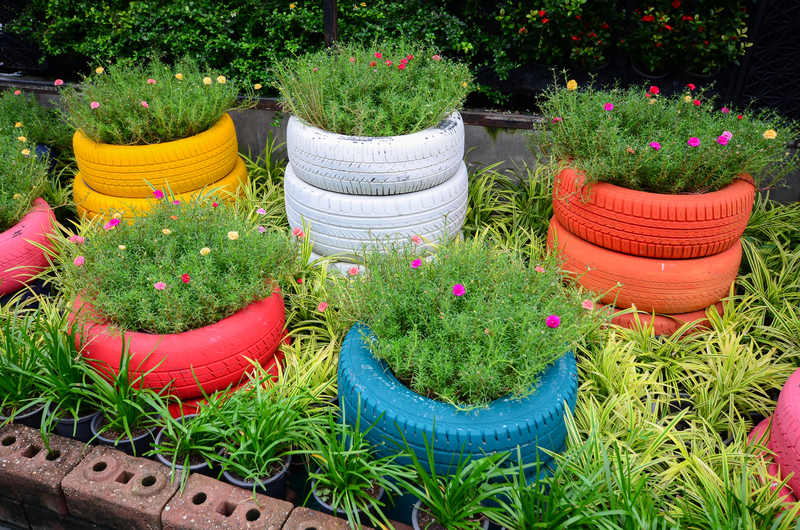
- Garden features: Bottles stacked to create colorful borders or stylish self-watering planters.
Resourceful creations using glass not only reduce waste but also inspire elegant, eco-friendly home decor.
3. Textile Transformation: Fabrics Reimagined
Old t-shirts, worn jeans, and fabric scraps don't have to languish in landfills. Textile upcycling turns them into useful and beautiful objects:
- Quilts and patchwork blankets crafted from mixed fabric remnants.
- Reusable shopping bags, cushion covers, or wall hangings from upcycled textiles.
- Innovative fashion accessories--like tote bags, headbands, and jewelry--crafted from discarded cloth.
With a needle, thread, and vision, even the most unexpected materials can become functional treasures.
4. Plastic Waste Innovations
Plastic is among the world's most problematic pollutants, but innovators are pioneering remarkable ways to turn plastic waste into assets:
- Shredded plastic converted into durable outdoor furniture, tiles, or building blocks.
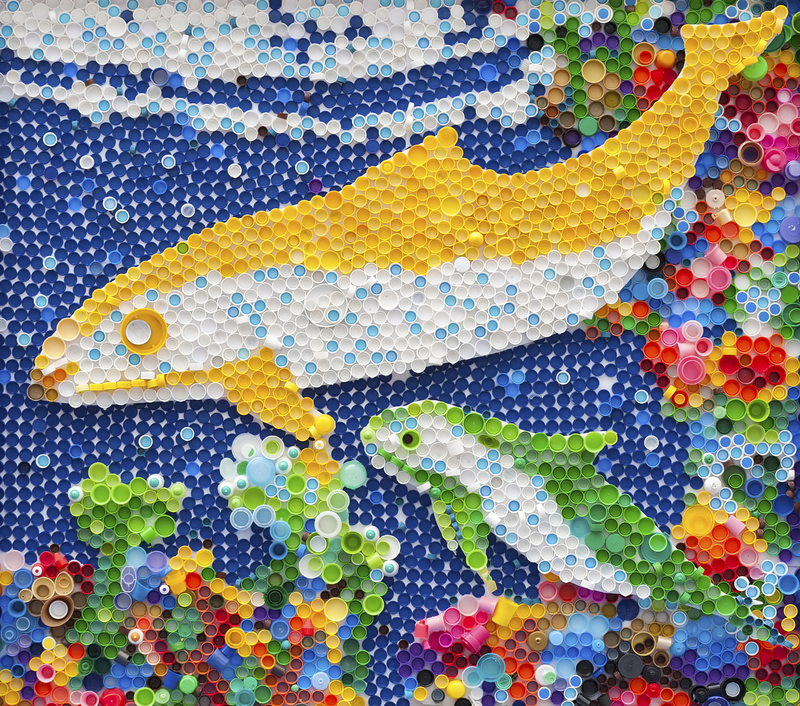
- Bottle caps assembled into colorful mosaics, tables, or art installations.
- Single-use plastics repurposed as eco-bricks--a green alternative for sustainable construction.
These transformative projects demonstrate the immense potential of resourceful creations in addressing environmental crises.
DIY: Creating Functional Treasures from Waste at Home
Step 1: Identify Potential Reusables
Start by examining your household trash. Identify items with sturdy structures, such as glass jars, wood, metal tins, textiles, and plastic containers.
Step 2: Gather Inspiration
Browse online platforms like Pinterest, Instagram, or YouTube for inspiring upcycling projects and resourceful creations. Collect ideas that match your skills and needs.
Step 3: Plan Your Transformation
Sketch your vision or make a list of upcycling materials required. Consider usability, durability, and aesthetics as you plan the transformation.
Step 4: Get to Work
- Clean and prep materials: Remove dirt, labels, or rust before repurposing.
- Assemble tools: Have the necessary equipment--glue, saws, paint, sewing supplies--on hand.
- Create: Follow your vision, experiment, and don't be afraid to make mistakes.
Step 5: Personalize and Showcase
Add your unique touch through color, patterns, or custom embellishments. Share your creations with friends, family, or online communities to inspire others.
The Environmental Benefits of Creative Waste Repurposing
Opting for resourceful creations provides significant environmental advantages:
- Conserves resources: Minimizes the demand for virgin materials, reducing strain on ecosystems.
- Slows landfill growth: Every upcycled item is one less object in a dump.
- Lowers carbon emissions: Resourceful upcycling uses less energy than manufacturing new goods.
- Protects wildlife: Reduces toxic runoff and microplastic pollution harming animals and habitats.
Through this sustainable, circular approach, we foster a healthier planet for current and future generations.
Resourceful Creations in Art and Design
Many artists and designers are at the forefront of the waste-to-treasure movement. They transform throwaway items into extraordinary pieces that challenge perceptions of waste and raise environmental awareness.
- Installations: Large-scale sculptures made from scrap metal, plastics, or electronics.
- Wearable art: Clothing and jewelry crafted from recycled or unconventional materials.
- Functional art: Everyday items--lamps, stools, vases--made from upcycled resources.
These innovative works bridge aesthetics and function, underscoring that resourceful creations can be both beautiful and practical.
Resourceful Businesses: Turning Trash into Treasure
As sustainability becomes a priority for consumers, businesses embracing the resourceful creation ethos are thriving. From startups to established brands, many companies specialize in transforming waste into desirable products:
- Fashion labels using upcycled or deadstock fabrics to craft limited-edition collections.
- Furniture companies salvaging reclaimed wood, metal, or plastics for modern home designs.
- Eco-friendly homeware brands making utensils and decor from rice husks, coconut shells, or glass waste.
Consumers are increasingly seeking eco-conscious products, meaning such businesses are well-positioned to meet market demands while promoting ethical, sustainable living.
How to Cultivate a Resourceful Mindset
Shifting towards creating functional treasures from waste requires a fresh perspective:
- Rethink waste: View discarded objects as potential assets, not just trash.
- Prioritize quality over quantity: Invest in durable goods and cherish what you already own.
- Learn new skills: Embrace DIY, repair, and upcycling techniques.
- Support sustainable brands: Purchase from companies committed to resourceful craftsmanship.
Resourcefulness, at its core, is about curiosity, adaptability, and creative problem-solving.
Tips for Successful Upcycling and Resourceful Design
- Start small: Begin with easy projects like turning jars into planters or old t-shirts into rags.
- Collaborate: Join local maker spaces, workshops, or online communities for advice and inspiration.
- Experiment: Don't be afraid of trial and error; some of the most inventive designs come from happy accidents.
- Stay informed: Follow trends in sustainability, design, and green tech for new ideas.
The Future of Resourceful Creations
With the global shift toward conscious living, the future of elevating waste into functional treasures is bright. Emerging technologies, such as 3D printing with recycled materials and AI-driven product design, are expanding the possibilities for creative reuse. In addition, educational programs are introducing resourcefulness into schools and universities, nurturing future generations of eco-innovators.
Governments, NGOs, and corporations are also embracing the resourceful creation movement to achieve sustainability goals, decrease waste, and empower communities worldwide. By 2040, experts predict that upcycling and eco-innovation will be mainstream aspects of manufacturing and daily life.
Conclusion: Transforming the Ordinary into the Extraordinary
Resourceful creations are more than just a trend--they are a necessary and powerful response to planetary challenges. By elevating waste into functional treasures, we celebrate ingenuity, honor the planet's resources, and pave the way for a more sustainable, beautiful future. Whether you're an artist, DIY enthusiast, business owner, or conscious consumer, your actions matter. Start small, dream big, and keep finding inventive ways to turn the ordinary into the extraordinary. The journey is rewarding, and the impact is profound.
Join the movement today: Rediscover potential in the everyday, share your creations, and inspire a world where waste is just the beginning of something remarkable.
