Commercial Waste Removal Barbican — Health & Safety Policy
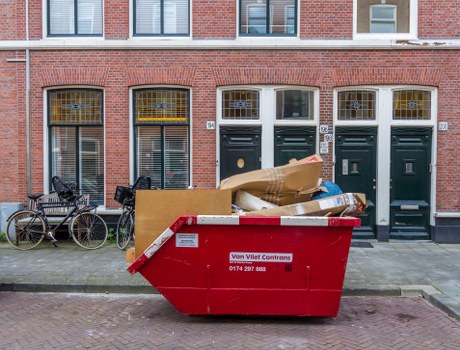 Purpose: This document establishes the health and safety policy for our commercial rubbish removal and waste management operations across the service area. It describes the principles and procedures we apply to protect employees, contractors, clients and the public while delivering commercial waste removal in Barbican and adjacent zones. The policy emphasises hazard elimination, risk mitigation and continuous improvement to ensure every operation is planned and executed with safety at the forefront. It also outlines how the organisation will measure success and respond to changing operational demands.
Scope and objectives
Our scope includes collection, transfer, temporary storage and segregation of business waste streams, including recyclables, organic waste and general refuse. The primary objectives are to prevent workplace injuries, control exposure to hazardous substances, ensure vehicle and plant safety, and promote a strong safety culture. We commit to allocating sufficient resources, maintaining documented procedures and regularly reviewing performance against measurable objectives such as incident rates, training completion and inspection outcomes.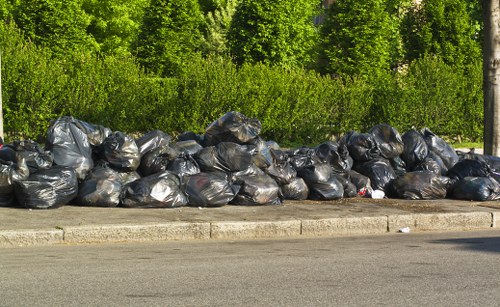
Responsibilities and accountability
Effective health and safety relies on clear responsibilities that are communicated across the organisation. Management will provide leadership and the necessary systems; supervisors will oversee day-to-day safety and ensure adherence to procedures; and every employee is expected to contribute to a safe workplace by following instructions and reporting hazards. Duties include conducting pre-shift checks, maintaining clean work areas and cooperating with safety investigations.- Senior management: set policy, allocate resources and review performance.
- Operational managers: implement controls and ensure staff competence.
- Employees: follow procedures, wear required PPE and report incidents.
Risk assessment and safe systems of work form the backbone of our approach. We conduct task-specific assessments for loading, manual handling, confined space entry where applicable and working at height. Each collection and clearance is planned to identify site hazards, define control measures such as mechanical aids or exclusion zones, and determine emergency access routes. These assessments are recorded, reviewed at defined intervals and updated when there are changes to the site or task to ensure ongoing relevance. Engagement with site hosts and clients helps manage client responsibilities and clarifies site rules before work begins.
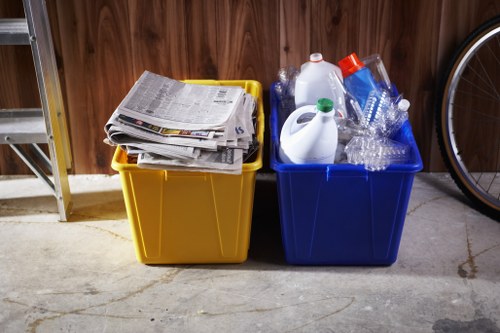 Training, competence and communication are essential for consistent safety outcomes. All staff receive induction training, periodic refreshers and role-based certification for machine operation, vehicle safety and hazardous waste awareness. Toolbox talks and pre-shift briefings are used to reinforce controls and discuss site-specific risks. Training records and competence checks are maintained and reviewed to ensure that staff remain competent and that any gaps are addressed promptly. Communication channels allow rapid distribution of revised procedures and safety alerts.
PPE, equipment and plant maintenance are managed to high standards to support safer operations. Personal protective equipment — including high-visibility garments, protective gloves, safety footwear and eye protection — is issued, fitted and inspected regularly. Vehicles and plant undergo pre-shift checks and scheduled maintenance by qualified technicians. Faults are logged and equipment removed from service until repaired; cleaning and storage regimes ensure PPE remains effective and hygienic. Selection of PPE is risk-based, and reusable items are cleaned and stored according to manufacturer guidance.
Safe vehicle operation and transport controls govern how loads are prepared, secured and moved across the service area. Drivers are trained in defensive driving, load securement and safe route planning; journeys are organised to reduce exposure to busy pedestrian periods and to ensure drivers have adequate rest. Loading areas are managed to prevent overloading and spillage; containment measures and leak response kits are carried to enable swift action if incidents occur. Where operations interact with the public or building occupants, clear signalling, barriers and banksmen are used to protect vulnerable pedestrians.
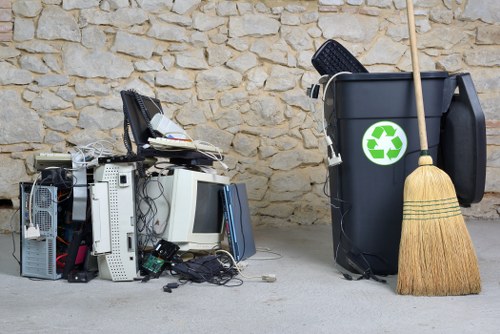 Hazardous waste handling and segregation demand additional controls and documentation. Our commercial rubbish clearance teams classify and separate materials at source using labelled containers, segregated bays and clear signage. Items such as batteries, solvents, contaminated packaging and suspected asbestos are isolated and handled according to protocols that prioritise safety; specialist contractors are engaged when materials fall outside the scope of routine handling. Disposal and transfer documentation is completed to maintain traceability of regulated materials and to support safe onward management.
 Emergency preparedness, incident reporting and continual improvement are embedded across operations. First aid provision, spill response plans and fire precautions are implemented where required; staff are trained to respond and to notify management without delay. All incidents and near misses are recorded, investigated and analysed to identify root causes and implement corrective actions. Management reviews trends, updates procedures and communicates lessons learned to reduce recurrence and strengthen overall performance. Policy review will take place at least annually or following significant operational change to ensure ongoing suitability.