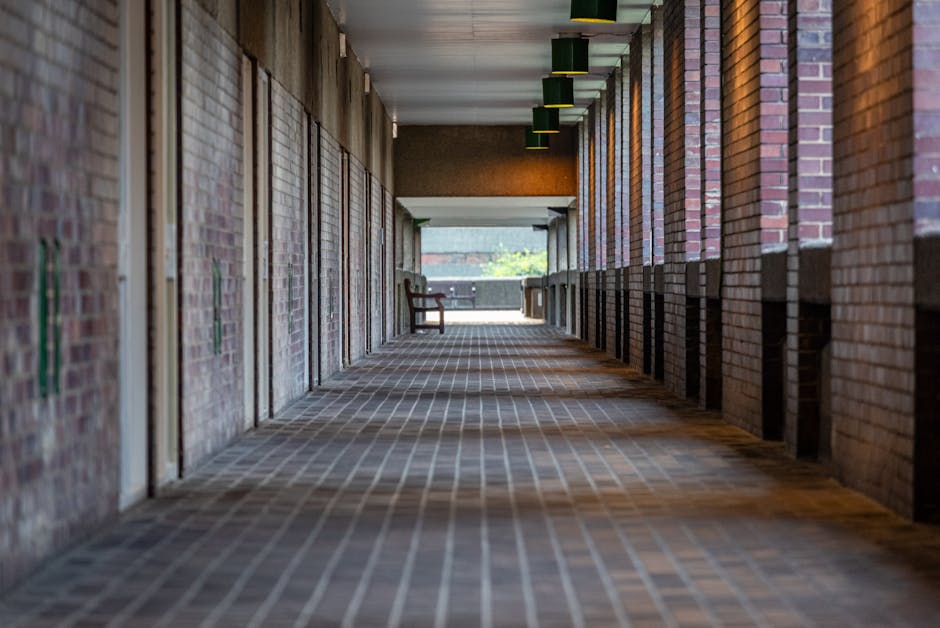
Commercial Waste Removal in Barbican
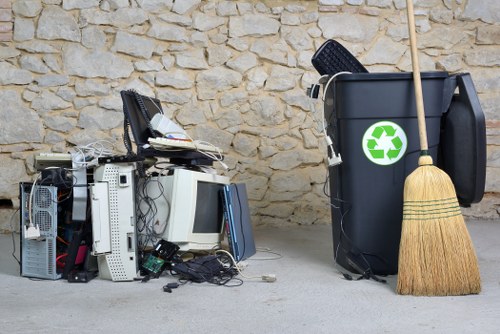
Commercial waste removal in Barbican should be straightforward, lawful and suited to the way your business works. We provide a practical service for offices, managed premises, professional rooms and shared commercial spaces that need reliable clearance of general waste, recyclable materials and bulky items. The aim is to keep disruption low while making sure waste is handled correctly, with clear separation where items need different treatment.
Our service is built around safe collection, sensible sorting and responsible disposal. That can include routine business waste, mixed office materials, unwanted furniture, broken equipment and non-hazardous items that need removing from busy buildings or multi-occupancy premises. If you want to discuss a specific load, tell us what is there and where it is located, and we can help you decide the most suitable way to proceed.
For a quotation, use the contact route that suits you and describe the work in plain terms. If the waste is spread across more than one room or floor, a short note about access and volume is useful. See pricing and quotes for a clear starting point, or continue below to learn how the main service areas are usually managed.
Business waste clearance for everyday commercial needs
Many firms need waste removed as part of normal operations rather than as a one-off event. That may involve bagged office rubbish, packaging, archived paperwork for shredding, dismantled shelving, old monitors or the contents of storage rooms. We can support planned clearances and responsive collections when items are becoming awkward to store, so the work is handled without turning the premises into a bottleneck. The key is to match the collection to the type of waste and the pace of the building.
Commercial premises often have more than one waste stream, so it helps to separate general rubbish from reusable furniture, electrical items and specialist materials. Where useful, we can discuss what is suitable for the main load, what should be kept apart, and what may need additional handling. If you need a broader overview of this service, business waste removal explains the general scope and is a sensible place to start before arranging collection.
For a quicker enquiry, it is usually enough to note the type of business, the approximate amount to be removed and any access constraints such as lifts, loading points or limited parking. Simple information helps create a more accurate quotation, especially when the work involves mixed items or repeated collections rather than a single bagged load. You can keep the request brief and still make it useful.
Office waste removal and clear workspace recovery

Office waste removal is often about restoring usable space as much as it is about taking items away. Desks, chairs, storage units, file boxes, screens and general office clutter can all build up when departments change, teams downsize or rooms are repurposed. We handle clearance in a way that supports working buildings, with attention to access routes and the need to keep the rest of the site usable while the work is underway.
Office clearance is relevant when the waste includes furniture and a wider mix of contents rather than just ordinary rubbish. That can suit relocations, refurbishments and staged room changes where some items are being retained and others are leaving the site. Where there are confidential materials, separate document handling may also be useful, and the contents should be identified clearly before collection.
What helps an office collection run smoothly
A short inventory is often better than a long explanation. List the larger items, mention whether they are on one floor or several, and say if anything needs dismantling before removal. If there are fragile corridors, security procedures or reception restrictions, note those too. Advance detail reduces guesswork and makes it easier to plan the right team and vehicle for the job.
Furniture removal and responsible disposal choices
Commercial furniture removal covers items that have reached the end of their useful life, no longer fit the room layout or have been replaced during a redesign. Chairs, reception seating, cabinets, tables and desks may need to be taken out without damaging walls, lifts or communal areas. We can remove individual pieces or larger volumes, depending on the scale of the clear-out and the type of access available.
Furniture disposal is the appropriate route when the main concern is the onward handling of the items after collection. Some furniture can be directed into reuse or recycling streams, while damaged or heavily worn items may need disposal. The practical point is to keep the process orderly, separating items that are suitable for different routes where possible and avoiding unnecessary handling.
When furniture is mixed with other waste, it is often more efficient to group like with like before the collection. That might mean moving usable office pieces together, setting aside broken items, and identifying anything that must not be included. If you are asking for a quote, an accurate description of the furniture types and quantities is more helpful than broad statements about the size of the task.
Furniture clearance for changing workspaces and managed premises
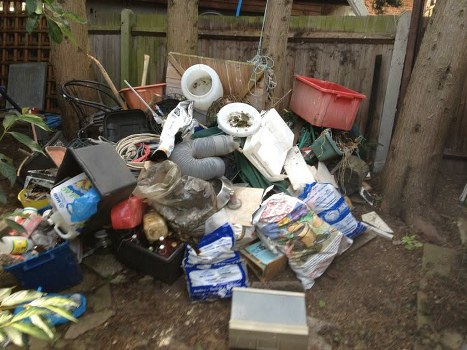
Furniture clearance is useful when a room, floor or whole business area needs to be emptied rather than simply tidied. This can include old stockroom shelving, reception pieces, meeting tables, cabinets and other bulky items that take time and effort to move safely. The emphasis is on removing contents in a controlled order so that the premises are left ready for the next stage of work.
Flat clearance may be relevant where commercial use and residential use overlap, such as in live-work settings, but the main principle remains the same: identify the items that need to go, keep reusable belongings separate and make access as clear as possible. In a managed building, advance awareness of lift sizes, loading areas and timed access can make a noticeable difference to how the clearance is carried out.
It also helps to decide whether you want everything removed in one visit or prefer the work broken into stages. Some sites need a coordinated approach so that one room can stay in use while another is emptied. Others are ready for a complete clear-out. Either way, a concise description of the layout and the furniture types is the best place to start.
General waste removal for mixed and bulky loads
General waste removal is the broad option for mixed non-hazardous material that does not belong to a specialist stream. That can include bagged waste, broken fittings, packaging, small fixtures, office debris and a variety of items that have accumulated over time. In commercial settings, the main benefit is having a single coordinated collection rather than trying to manage several small and awkward trips yourself.
The work is usually simplest when items are grouped before collection. Heavier pieces should be identified, and anything that may need special treatment should be set aside. If your load includes appliance items, damaged fittings or large objects from back offices and stores, you may want to compare this with waste removal as a general service option. The right choice depends on the mix, volume and access conditions.
How to prepare a straightforward request
Two pieces of information are especially useful: roughly how much there is and where it is located. After that, note any stair-only access, booking restrictions or building rules that may affect removal. You do not need to draft a full report. A clear, factual message usually gives enough detail to shape a sensible quotation and avoids unnecessary back-and-forth.
Specialist items, appliances and heavier refuse

Some collections involve items that are bulkier or less convenient than standard bagged waste. Fridges, freezers, microwave units, worn appliances and other large fixtures can require extra care because of their size, weight or the way they are stored on site. The aim is still the same: remove them safely, keep the area tidy and direct the material into the correct route for processing.
Fridge and appliance removal is a useful separate service page when electrical or cooling equipment is the main concern. If your load also includes sofas, mattresses or other large household-style items from a mixed commercial premises, those may need to be identified individually so the collection can be planned properly. This avoids confusion over what is included and what should be treated as a separate item group.
Where heavier items are involved, access details matter more than usual. Measurements are not always needed, but it helps to know whether there are narrow doorways, stairs, basement storage or distance from the loading point. Clear access notes help prevent delays and ensure the collection team arrives prepared for the right kind of removal.
Reuse, recycling and sustainability in commercial collections
Not every item removed from a commercial property should be treated in the same way. Some materials are suitable for recycling, some items may be reusable, and some waste simply needs lawful disposal. A responsible service separates those routes where possible, especially when collections include a mix of metals, timber, plastics, paper, cardboard and unwanted furniture. That approach supports tidier results and better handling of the overall load.
Recycling and sustainability gives a useful indication of how recoverable materials can be handled across different types of collection. In practice, the relevant point for a customer is to identify items that should stay separate, such as confidential documents, electricals or reusable equipment. If you want the collection to support internal sustainability policies, say so in your enquiry so the service can be aligned with those priorities where possible.
It is also sensible to think about what should remain on site. Some businesses are clearing one part of a building while keeping stock, archive material or working furniture elsewhere. Marking retain-and-remove areas before collection saves time and reduces the risk of items being moved unnecessarily. That is especially helpful in shared premises or multi-use buildings.
About Barbican
Barbican is a distinctive part of the City of London with a strong post-war identity shaped by its reconstruction after the Second World War. The Barbican Estate, begun in the early 1960s and completed over a number of phases, is one of the most recognisable elements of the area, with its concrete towers, elevated walkways, gardens and cultural venues. The Barbican Centre, opened in 1982, anchors much of the district’s artistic life and remains closely associated with theatre, music, film and visual arts. Nearby, the Museum of London historically helped define the area’s civic and cultural profile, while the wider City provides a contrast of financial activity, heritage streets and modern development. The neighbourhood sits close to Finsbury, Moorgate and St Paul’s, and although it is compact, it has a layered character that is easy to trace through its architecture and public spaces. Water features and planted areas soften the hard-edged concrete landscape, and the estate’s internal podium levels and courtyards create a place that feels carefully designed rather than pieced together. Barbican Station, on the London Underground and National Rail network, links the district into the wider city, while nearby routes make it part of a dense urban setting where history, commerce and culture meet. For many visitors, the area is associated with performance spaces and the estate’s unusual visual identity; for others, it is a working part of central London with offices, homes and institutions sharing the same streets and walkways.
Managing access, timing and larger clearances
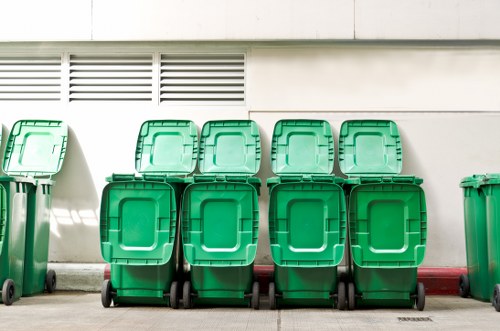
Larger commercial clearances often need a little more planning than a simple collection, especially where the work must fit around public-facing opening hours or shared access points. If a building has controlled entry, service lifts or specific loading arrangements, these details should be included early. That allows the collection to be arranged in a way that suits the premises rather than interrupting the day more than necessary.
If you are comparing options, consider whether the task is best handled as a single visit or whether the materials are spread across several parts of the site. A phased approach can be useful when one room must stay operational, or when items are being sorted as they are removed. For a more focused enquiry, contact us and include the basics: what needs clearing, where it is, and any access constraints that matter.
As a final step, check whether anything needs separating before the collection arrives. Keep private files, reusable equipment and items intended for another department out of the load, and identify any pieces that are unusually heavy or awkward. If you are ready to move ahead, request a quotation now and give a short, accurate summary of the work so the response can match the job properly.